

Prevention is not only better but way cheaper than a cure.
Women’s health is a crucial foundation for strong families and thriving communities. Yet in Nigeria, many women overlook their own well-being while caring for others. Whether you are single, married, a mother, or preparing for motherhood, prioritizing your health is essential for long-term wellness.
This article explores the realities of women’s health in Nigeria, the dimensions of wellness, common diseases affecting women, and practical steps to prevent illness and maintain a healthier lifestyle.
Women’s Health in Nigeria: The Current Reality
Nigeria is experiencing one of the most challenging health crises in Africa, especially for women and girls.
Key statistics include:
- Many women neglect their own health while prioritizing family care.
- Nigeria contributes to 20% of global maternal deaths, the second highest worldwide.
- According to USAID, Nigeria’s health indicators remain among the worst in Africa.
- The country ranks 142 out of 195 in global healthcare access and quality (Lancet, 2018).
- Low government health funding (less than 5% of the national budget).
- High levels of health worker migration (brain drain).
- Women and children are the most affected by the weakened system.
These statistics highlight the urgent need for health education, preventive healthcare, and intentional wellness practices among Nigerian women.
What Is Health? A Holistic Definition
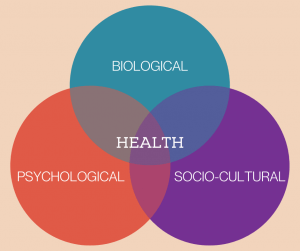
The World Health Organization defines health as a complete state of physical, mental, and social well-being. Today, experts also emphasize emotional and spiritual health as vital components of total wellness.
This approach, often called holistic health, recognizes that each dimension of health impacts the others.
Dimensions of Health
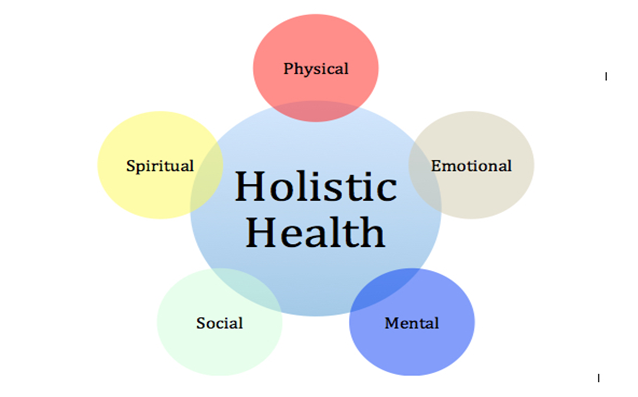
The Five Dimensions of Women’s Health
Physical Health
Includes the function of major organs and body systems such as the heart, lungs, liver, kidneys, as well as the immune, digestive, circulatory, respiratory, and lymphatic systems, nutrition, exercise, and lifestyle choices, all working together to maintain physical wellness.
Mental Health
Conceptualised by the World Health Organisation (WHO), 2013, as a state of well-being in which the individual realizes his/her potential, can cope with the normal stresses of life, and can work productively and fruitfully, he/she can make contributions to his/her community. However, women are affected by mental health issues, and it impact how women think, learn, cope, and function daily.
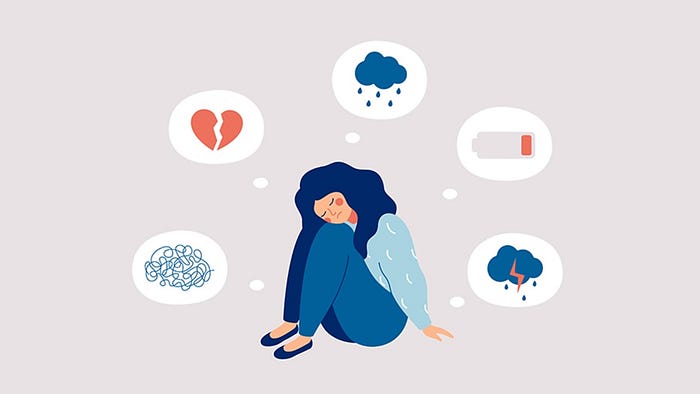
Common mental health triggers for women include:
- Traumatic events – such as loss of a loved one, marital crisis, loss of one’s job or source of livelihood, etc.
- Domestic or Gender-Based violence
- Unhealed Childhood Traumatic Experiences – such as physical, verbal, emotional, or sexual abuse.
- Stress and economic hardship
- Crisis, Conflict or War Situations
- Harmful cultural practices.
Good mental health improves productivity, resilience, and quality of life.
Emotional Health
This involves understanding, expressing, and managing emotions in healthy ways. Emotional stability helps women navigate stress and build better relationships.
Spiritual Health
Rooted in faith, values, purpose, or connection to God.
No doubt having a clear sense of purpose improves coping skills and emotional well-being. One’s actions are guided by one’s direction, values, and purpose in life; this informs how we respond to daily situations encountered.
Social Health
Focuses on building supportive relationships and maintaining healthy social interactions. Family, community, and friendships play major roles.
Major Causes of Illnesses in Women
Several lifestyle and environmental factors contribute to diseases affecting women:
- Genetic predisposition
- Poor hygiene or unclean living conditions
- Exposure to chemicals and toxins
- Sedentary lifestyle
- Obesity and poor diet
Common Health Conditions Affecting Women in Nigeria

Many illnesses affecting women today are classified as lifestyle diseases. Some of the most common include:
Cardiovascular Diseases
The leading cause of death globally is cardiovascular disease, and women are affected due to factors such as stress, poor diet, uncontrolled hypertension, sedentary lifestyle, and particularly, lack of financial power to support their health.
Stroke
This is an advanced stage of cardiovascular disease. Affects tens of thousands more women than men each year.
Diabetes
Women with diabetes face four times the risk of heart disease compared to men.
Maternal Health Complications
Iron deficiency, high blood pressure, unsafe deliveries, and pregnancy-related complications remain common in Nigeria.
Urinary Tract Infections (UTIs)
More common in women due to anatomical structure. Symptoms include burning sensation, frequent urination, and cloudy urine.
Sexually Transmitted Infections (STIs)
Over 30 STIs exist, with common ones including:
- Curable STIs: Gonorrhea, syphilis, chlamydia, trichomoniasis
- Incurable STIs: HIV, HPV, herpes (HSV), hepatitis B
HPV is closely linked to cervical cancer, one of the most common cancers among Nigerian women.
Cancers Common in Women
- Breast cancer
- Cervical cancer
- Ovarian cancer
- Uterine cancer
- Thyroid cancer
- Colon cancer
Osteoporosis
A condition that affects especially older women and causes bone thinning and increased fracture risk, particularly after menopause. It is characterised by enlargement of bone space, producing porosity and fragility. It is the most common bone disease.
Dementia & Alzheimer’s Disease
Women are at higher risk of memory loss and age-related cognitive disorders.
Disease Prevention & Healthy Living Tips for Women
Prevention is the most effective—and cost-friendly—approach to women’s wellness. Adopting healthier habits greatly reduces the risk of chronic diseases.
Nutrition for Women

- Avoid processed foods and junk foods
- Reduce sugar, sweeteners, and fizzy drinks
- Limit chemical-heavy seasonings and replace them with natural spices
- Choose organic or natural foods when possible
- Add fiber-rich foods to your diet
- Incorporate healthy Nigerian spices: ginger, turmeric, garlic, thyme, locust beans (iru)
Regular Exercise

- A sedentary lifestyle contributes to 1.6 million deaths globally
- Exercise lowers the risk of diabetes, stroke, hypertension, and obesity
- Aim for at least 30 minutes of physical activity daily
Adequate Sleep
Women need 7–8 hours of quality sleep to regulate hormones and reduce stress.
Stress Management
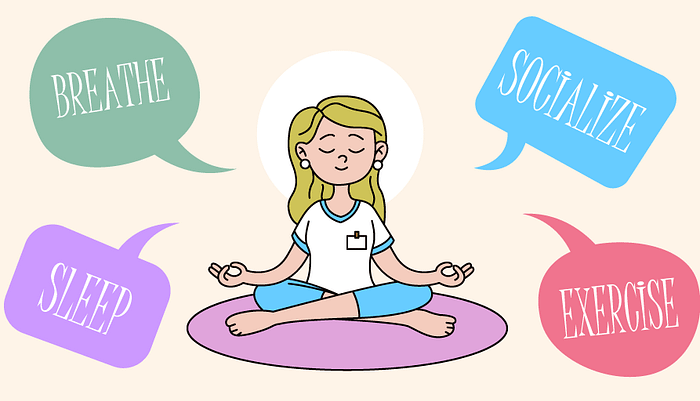
- Meditation
- Physical exercise
- Mindfulness and relaxation
- Journaling or counselling
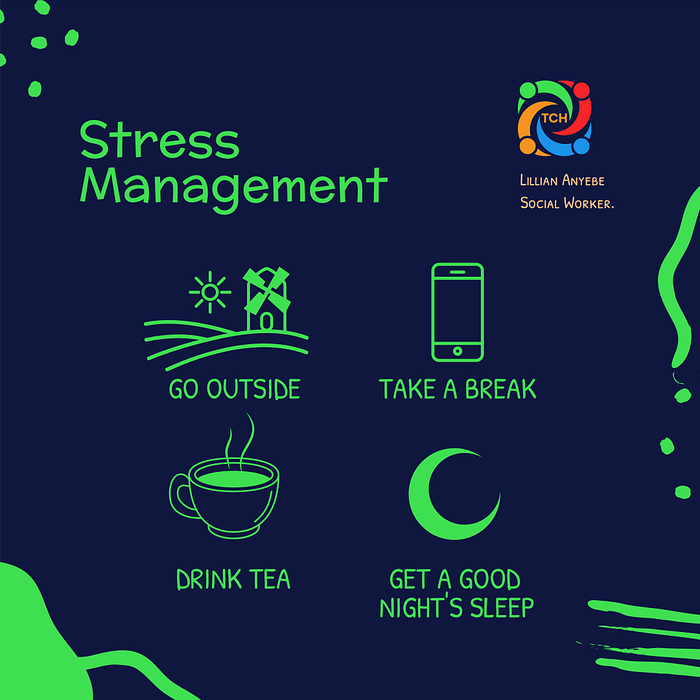
Managing stress helps reduce the risk of high blood pressure, depression, and heart disease.
Routine Health Screenings
Every woman should regularly check:
- Blood pressure
- Blood sugar
- Cholesterol
- Cervical cancer screening (Pap smear, HPV test)
- Breast examination
- Mental health status
Early detection saves lives.
Conclusion
Women play an irreplaceable role in families and communities. Taking care of your health is not selfish; it is a necessity. When women embrace intentional wellness, they experience better energy, longer life, improved mental health, and stronger relationships.
Your Health Is Your Power
If you found this helpful, please share it with other women. One article can inspire healthier habits, early diagnosis, or even save a life.
The right Information is not only power, it is illuminating — Lillian Anyebe
Leave a Reply